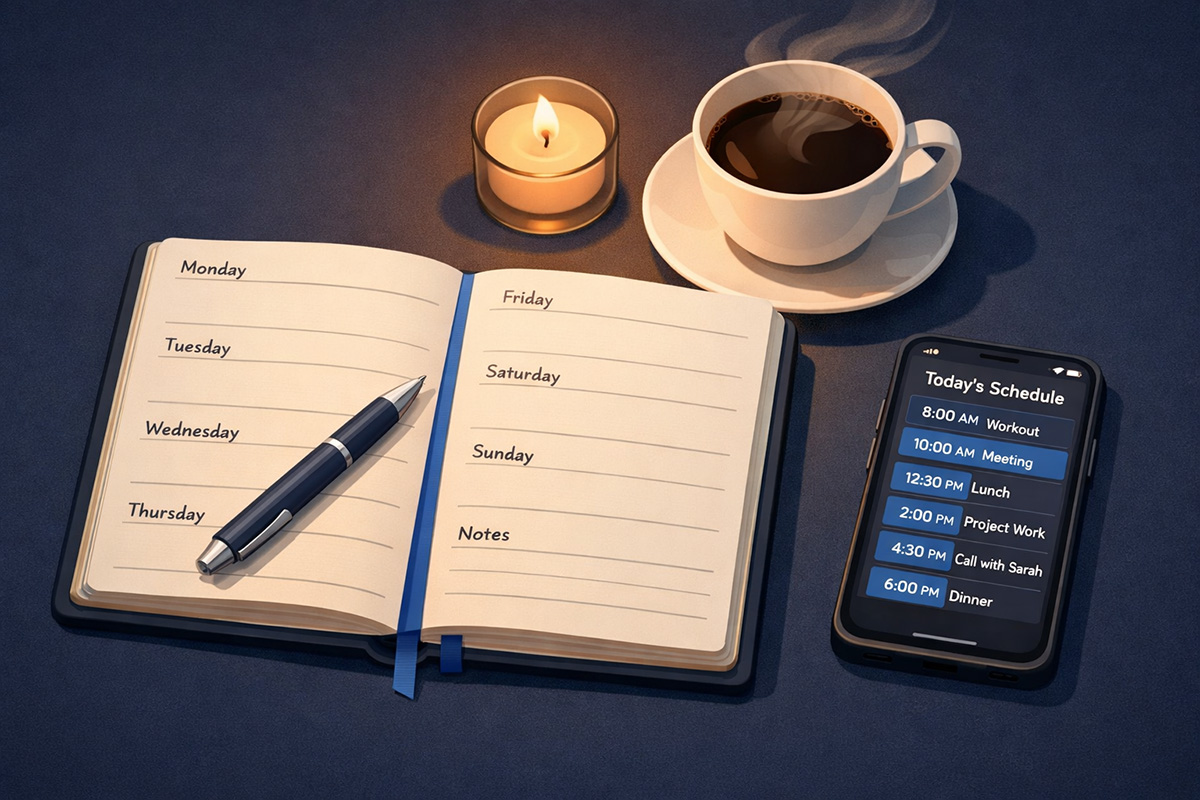
Best Daily Planner Apps in 2026: 10 Apps Compared (Free & Paid)
We tested 20+ planner apps to find the 10 best for 2026. Side-by-side comparison of SparkDay, Todoist, TickTick, Notion, and more �� with pricing, pros/cons, and honest verdicts.
Practical guides on productivity, habit building, fitness tracking, and mental wellness. Backed by research, written for real life.

We tested 20+ planner apps to find the 10 best for 2026. Side-by-side comparison of SparkDay, Todoist, TickTick, Notion, and more �� with pricing, pros/cons, and honest verdicts.

Procrastination isn't laziness — it's emotion regulation. Learn the neuroscience of why you avoid tasks, discover your procrastinator type, and apply 6 research-backed tools that actually break the cycle.

Most productivity advice fails ADHD brains. Learn the neuroscience of time blindness, and discover which tools — visual planners, focus timers, habit trackers — are actually backed by ADHD research.

80-95% of college students procrastinate. These 8 strategies — spaced repetition, time blocking, active recall, sleep science — are backed by published research and proven to improve GPA.

The Sunday reset has 500M+ TikTok views for a reason. A 5-part routine backed by Fresh Start Effect psychology that cuts Monday anxiety and builds weekly momentum.
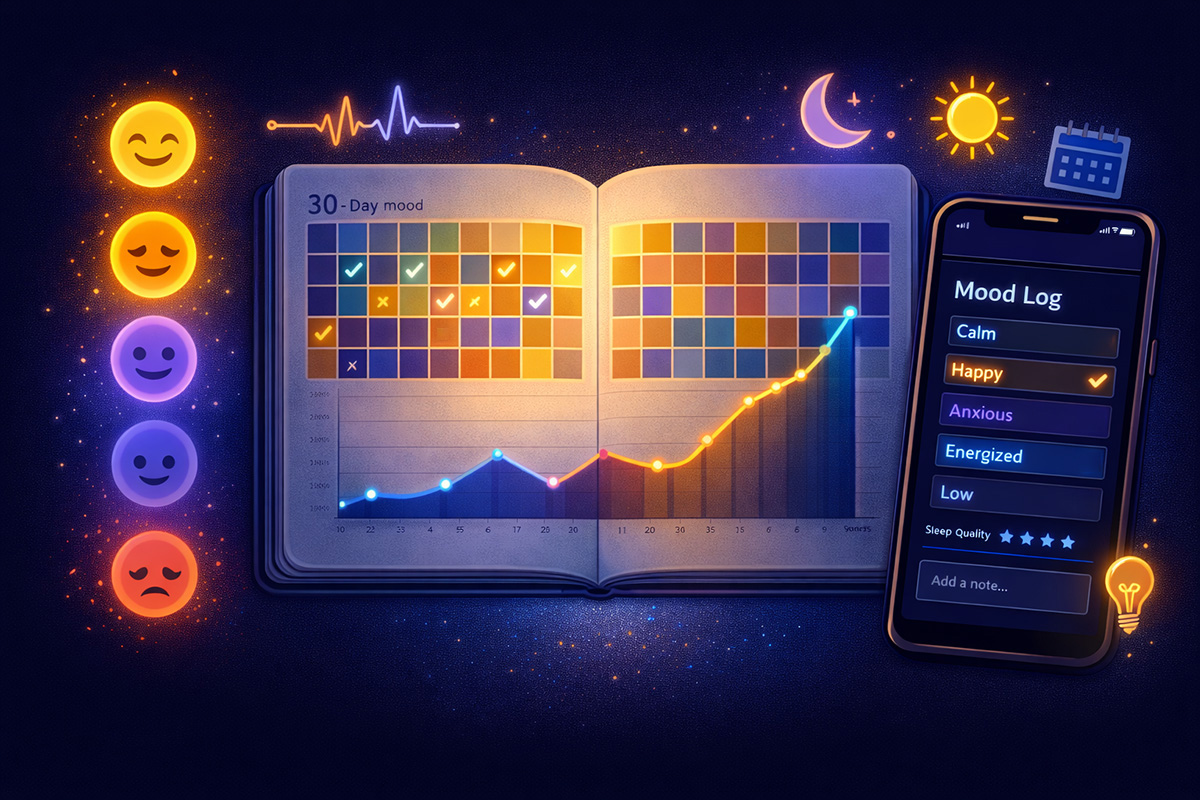
A Monash University study found measurable reductions in anxiety from daily mood logging. UCLA neuroscience shows naming emotions reduces amygdala activity. Here's what to expect week by week.

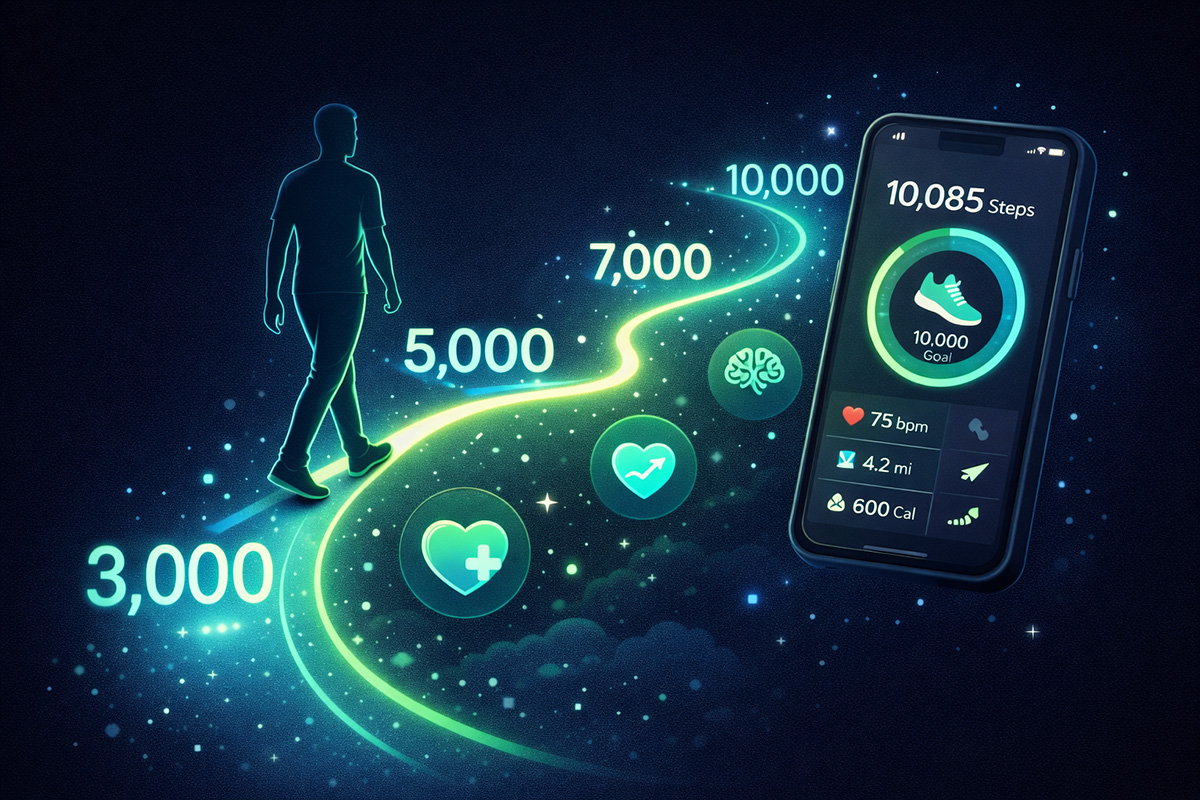
The 10,000-step goal came from a 1964 pedometer ad, not science. The landmark Lancet study reveals the real target — and specific health benefits at every step count from 3,000 to 10,000+.

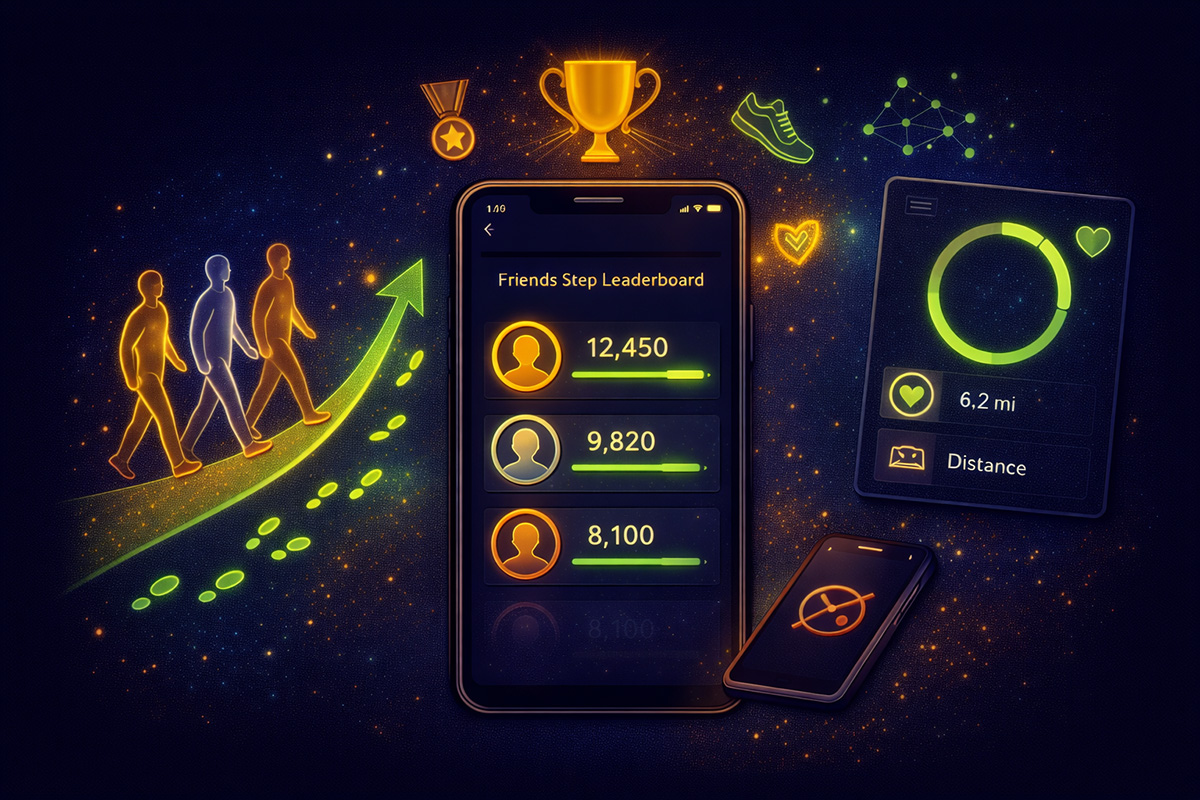
A Penn RCT found competition produced 90% more exercise attendance than social support. A Nature study of 1.1M runners proved exercise is causally contagious. The behavioral science of friend step challenges.

10-12 minutes of planning saves ~2 hours of wasted time daily. 7 research-backed methods including time blocking, Eisenhower Matrix, and the 1-3-5 rule with step-by-step templates.

Your morning is built the night before. Science-backed evening habits — from the Baylor sleep study to Harvard blue light research — that improve sleep quality and reduce anxiety.

Harvard research shows 15 minutes of weekly reflection improves performance by 23%. A complete 30-minute weekly review template with David Allen's GTD framework — start this Sunday.

Only 23% of professionals can focus for 45+ minutes without a break. 6 proven focus timer methods backed by research — find the one that matches your work style and attention span.

92% of people with morning routines report high productivity — yet most quit within a week. 3 research-backed frameworks including the Move-Mind-Fuel method, plus templates for 15, 30, and 60-minute mornings.

Brain imaging shows gratitude practice reduces cortisol by 23% and rewires neural pathways in 3 months. Peer-reviewed research from Dr. Emmons plus 4 methods that actually work.

A 12-week RCT found online journaling (15 min, 3x/week) significantly decreased mental distress. The science-backed benefits and how digital journaling makes consistency easier than paper.

Start with 2-3 habits max. The UCL study found 66 days to form a habit — not a perfect streak. A sustainable tracking approach backed by behavior change research that prevents overwhelm.
Phone step counters are accurate within 5-10% on flat ground, but drop to 9-41% on stairs. The science of accelerometers, algorithms, and accuracy — plus tips for the most accurate count.